5 legendary archaeological discoveries and their mysteries
20.12.2019
3 784 показов
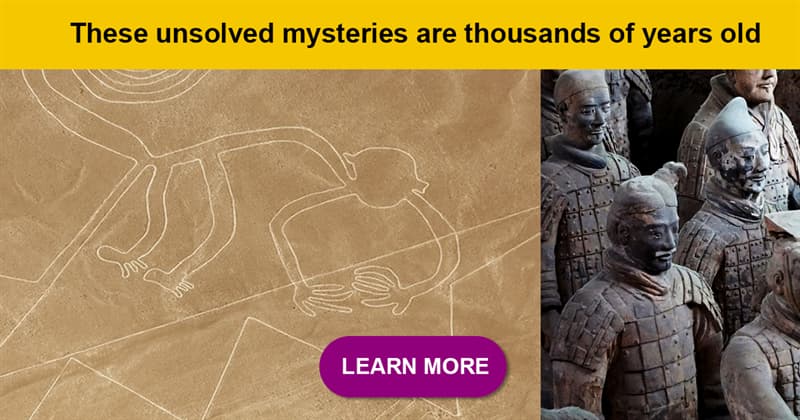
Thanks to the archaeologists, we can have a complex glimpse into human history and learn what our ancestors' life was like centuries ago. Anyway, some discoveries only bring questions – let's learn more about the most mysterious ones.
#1 Voynich Manuscript
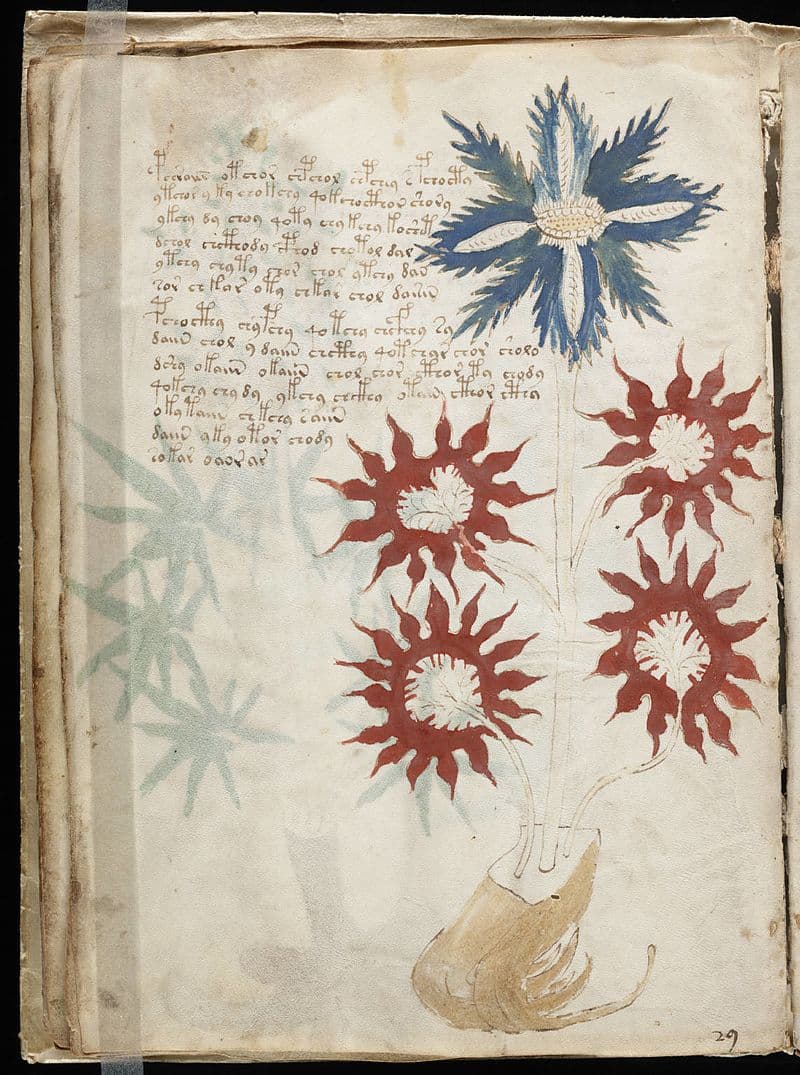
The weirdest manuscript in the world dates back to the early 15th century. Throughout hundreds of years, it had changed many owners, and was last named after Wilfrid Voynich, a Polish-Samogitian book dealer who purchased it in 1912. The manuscript may have been composed during the Italian Renaissance, but no one knows who wrote it or which purpose they had.
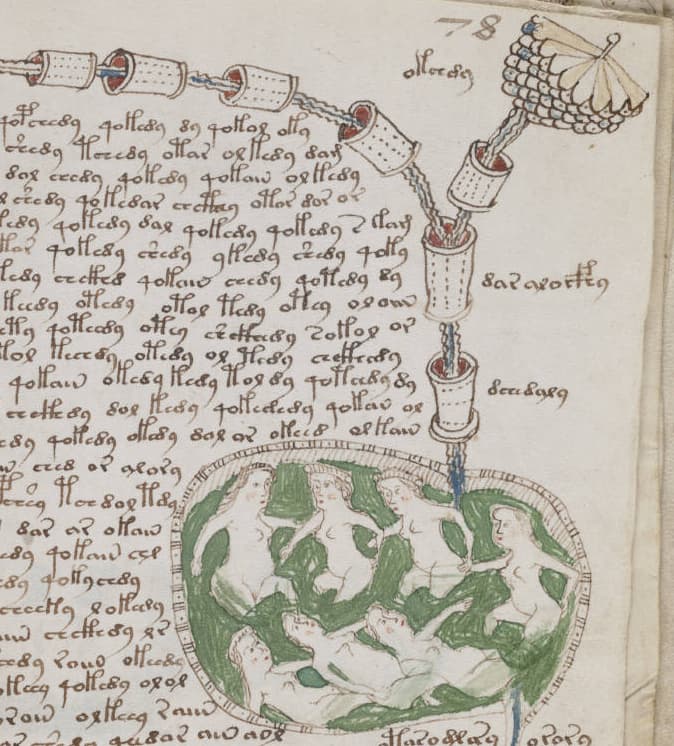
The manuscript consists of astronomical, biological, herbal, cosmological and pharmaceutical sections. The language it's written in is still unknown – many professional and amateur cryptographers have studied the manuscript, but it has never been demonstrably deciphered. None of the plants depicted in the herbal section were identified.
The manuscript consists of astronomical, biological, herbal, cosmological and pharmaceutical sections. The language it's written in is still unknown – many professional and amateur cryptographers have studied the manuscript, but it has never been demonstrably deciphered. None of the plants depicted in the herbal section were identified.
#2 Mount Owen Claw
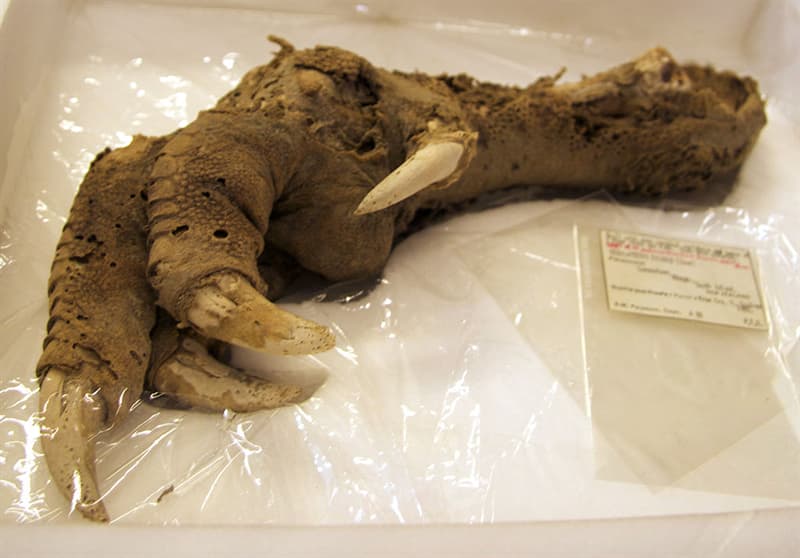
In 1986, a group of archaeologists in New Zealand were digging down in a cave and stumbled across a well-preserved claw of a giant bird. Everything suggested that the mysterious creature had died recently, but further analysis showed that it belonged to a moa, a large bird that went extinct around the years 1300–1440. Somehow, it was naturally mummified.
Moas that lived in New Zealand reached 12 ft (3.6 m) in height, and weighed about 510 lb (230 kg). The claw found in the cave belonged to the smallest species, upland moa. All moas were hunt to extinction by the Māori people, the first ethnic group to settle in New Zealand.
Moas that lived in New Zealand reached 12 ft (3.6 m) in height, and weighed about 510 lb (230 kg). The claw found in the cave belonged to the smallest species, upland moa. All moas were hunt to extinction by the Māori people, the first ethnic group to settle in New Zealand.
#3 Nazca Lines
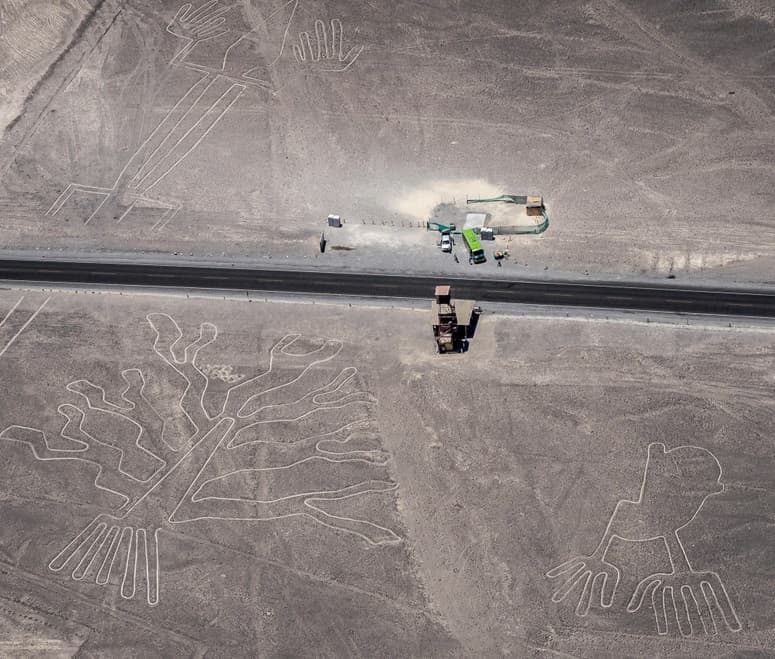
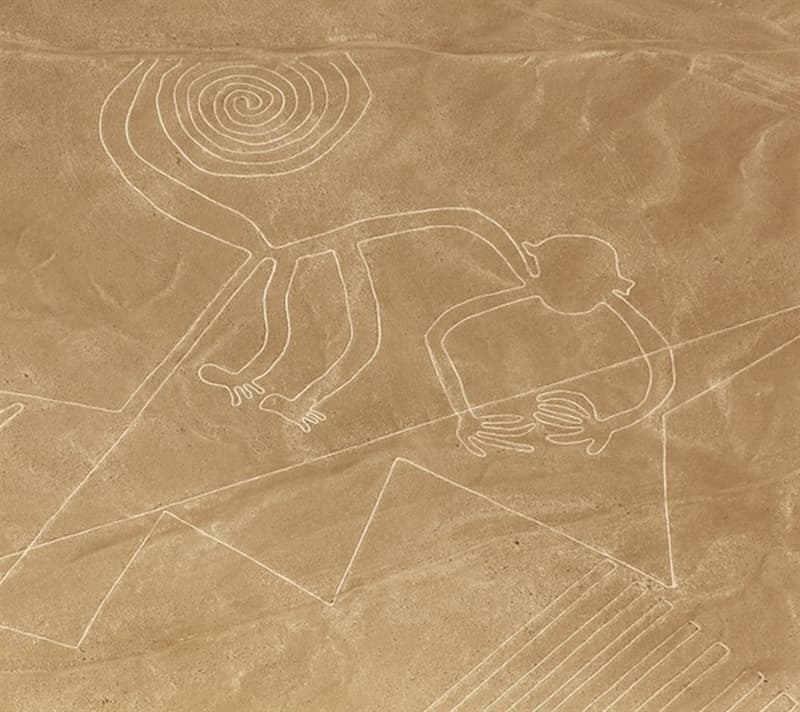
These large geoglyphs can be seen from the air in the Nazca Desert, southern Peru. There are more than 300 formations, depicting animals, plants and geometrical shapes. They are thought to be created between 500 BC and 500 AD.
Most scholars believe the lines were created by the Nazca culture, which flourished in Peru from circa 100 BC to 800 AD. The depressions and incisions were created by moving large rocks. The exact purpose of these pictures remains unknown.
Most scholars believe the lines were created by the Nazca culture, which flourished in Peru from circa 100 BC to 800 AD. The depressions and incisions were created by moving large rocks. The exact purpose of these pictures remains unknown.
#4 Göbekli Tepe
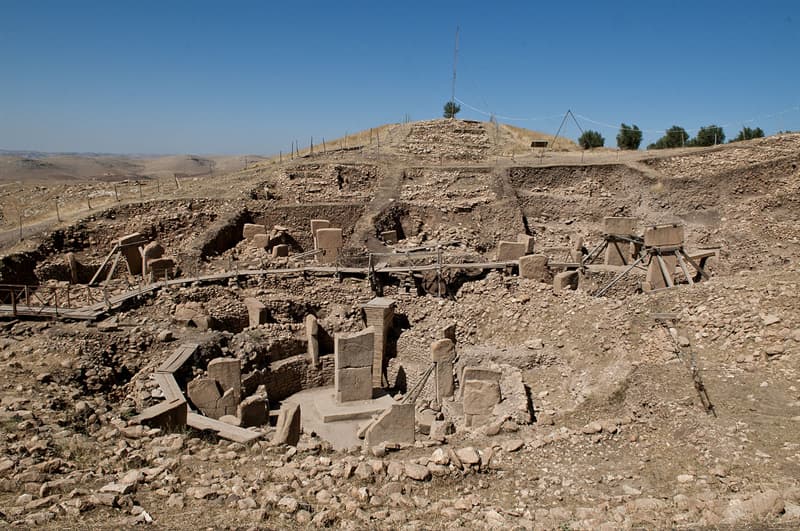
This place was discovered in Turkey in 1994. Most likely, Göbekli Tepe used to be a temple: no traces of everyday life were found, only circles of massive T-shaped megaliths up to 18 feet (5,5 meters) tall. They all face each other in a near perfect circle.
Carbon dating establishes the age of Göbekli Tepe at 12,000 years old, which makes it the world's oldest temple.
The discovery of this place actually puts all the human history we know into question: it was somehow created before the Agricultural revolution, in the times when ancient humans are supposed to have been hunting and gathering as nomads.
Did our ancestors start establishing long-term settlements earlier than we think? Or were they so religious they were using all their resources to build temples like this? And the main question is, how could these people build something astronomically aligned, given that they are believed to have just left their caves? All of these questions remain unanswered.
Carbon dating establishes the age of Göbekli Tepe at 12,000 years old, which makes it the world's oldest temple.
The discovery of this place actually puts all the human history we know into question: it was somehow created before the Agricultural revolution, in the times when ancient humans are supposed to have been hunting and gathering as nomads.
Did our ancestors start establishing long-term settlements earlier than we think? Or were they so religious they were using all their resources to build temples like this? And the main question is, how could these people build something astronomically aligned, given that they are believed to have just left their caves? All of these questions remain unanswered.
#5 Terracotta Army
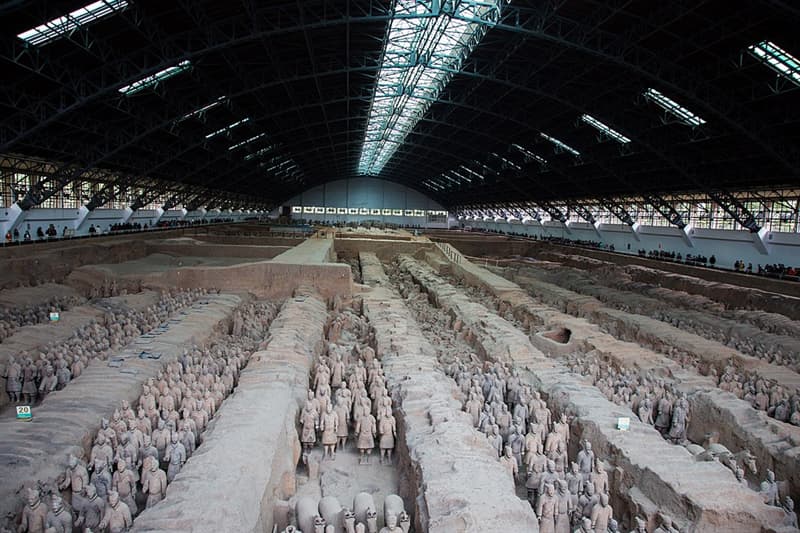
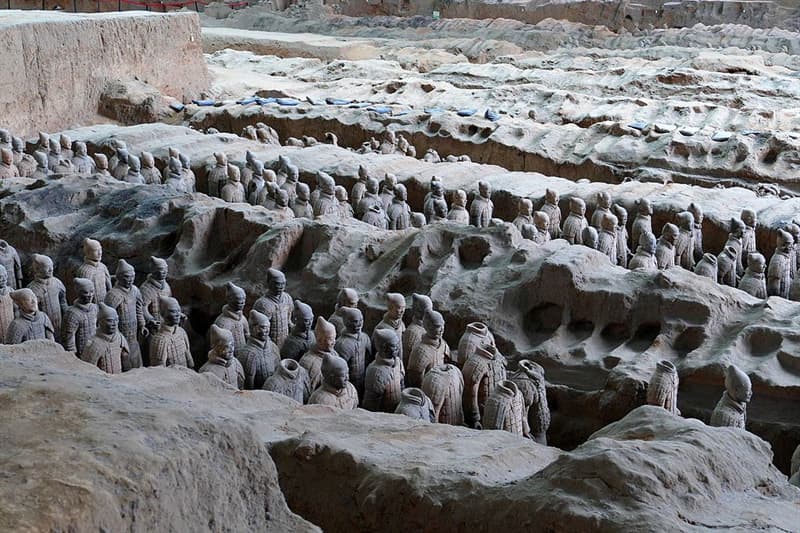
The Terracotta Army was discovered in 1974 in Xian, China. It's a collection of thousands of clay sculptures depicting the armies of Qin Shi Huang, the first Emperor of China. All of them are life-sized, varying in height, uniform, and hairstyle in accordance with rank.
Every warrior of the Terracotta Army has a unique face.
The soldiers are believed to have been buried with the emperor to protect him in the afterlife. Different weapons were also found in the tomb. The soldiers were perfectly arranged within large clay corridors. The Terracotta Army consists of more than 8,000 soldiers, 130 chariots with 520 horses, and 150 cavalry horses.
Every warrior of the Terracotta Army has a unique face.
The soldiers are believed to have been buried with the emperor to protect him in the afterlife. Different weapons were also found in the tomb. The soldiers were perfectly arranged within large clay corridors. The Terracotta Army consists of more than 8,000 soldiers, 130 chariots with 520 horses, and 150 cavalry horses.
Have you ever heard about these archaeological discoveries before? Which of them surprised you the most? Which discoveries would you add to this list?
Tell us in the comments!
SHARE this article with everyone who is interested in HISTORY
#Geography #History #knowledge
Что вы думаете по этому поводу?
17 Comments

Anita Clark Morton
I knew of the Terracotta Army, but didn't realize it was that massive!! WOW !!!

Edna Mohrmann
It is rather very strange that no one has been able to decipher the Voynich Manuscript! The rest I had heard of already and always fascinating
Edna Mohrmann
Alicia Szot, I can relate to that! I love digging up old things and history!

lmoores
I've heard of the Nascar Lines.
lmoores
I've heard of the Terracotta Army.

Alick Wills
Moa was also hunted by the extinct giant Haast eagle!

Mark Darcy
The Terracotta Army warriors were the magnificent and wonder of the ancient Chinese culture which by accident was discovered. Archeology is a very exciting aficionado; we are digging the fast and we learned enormously. We are like "Indiana Jones".

Alicia Szot
Seeing these treasures makes me sad that I didn't follow my dream of being an archeologist due to parental pressure at the time.

Linda Spreng
That moa claw is very frightening. The Nazca lines are totally fascinating.

ninakamwene
Thank you for an educational and learning piece. Keep up the good work.

Doris Dallaire
I’ve seen the Nazca lines and the Terra Cota Warriors. Very impressive indeed.
Patricia Rapley
To me the Nazca lines are the most fascinating. I have seen them from a plane . I used to live in an Anaconda mining camp in the Atacama Desert in northern Chile

suekno
Very interesting! Enjoy reading about strange history!

Sherry Bowen Jacobs
Very interesting.
Ilias Tsiabardas
The only one I haven't heard is #2 the mound Owen Claw ,very interesting !!!